Aluminum alloy, stainless steel and titanium alloy occupy most metal CNC customization projects. Each material has unique physical properties, corrosion resistance and strength performance. In addition to the performance of the material itself, the processing difficulty can not be ignored.
Many structural designers are easily entangled in the early selection:
l Aluminum alloy has obvious advantages in lightweight, but thin-walled structures are easily deformed;
l Stainless steel has high strength and corrosion resistance, but it is easy to stick to the knife when processing;
l Titanium alloy has outstanding comprehensive properties and high processing threshold.
The core of CNC machining is "selecting the right materials+using the right technology". Which metal materials are suitable for precision CNC machining? How to solve the processing problem of different materials?
Many people have a misunderstanding: as long as the machine tool is universal, the processing parameters can be universal.
In fact, the same CNC equipment can stably process aluminum alloy with a tolerance of 0.005mm, and directly apply the same parameters to process titanium alloy, which leads to a high probability of out-of-control precision, and each material needs its own process plan.
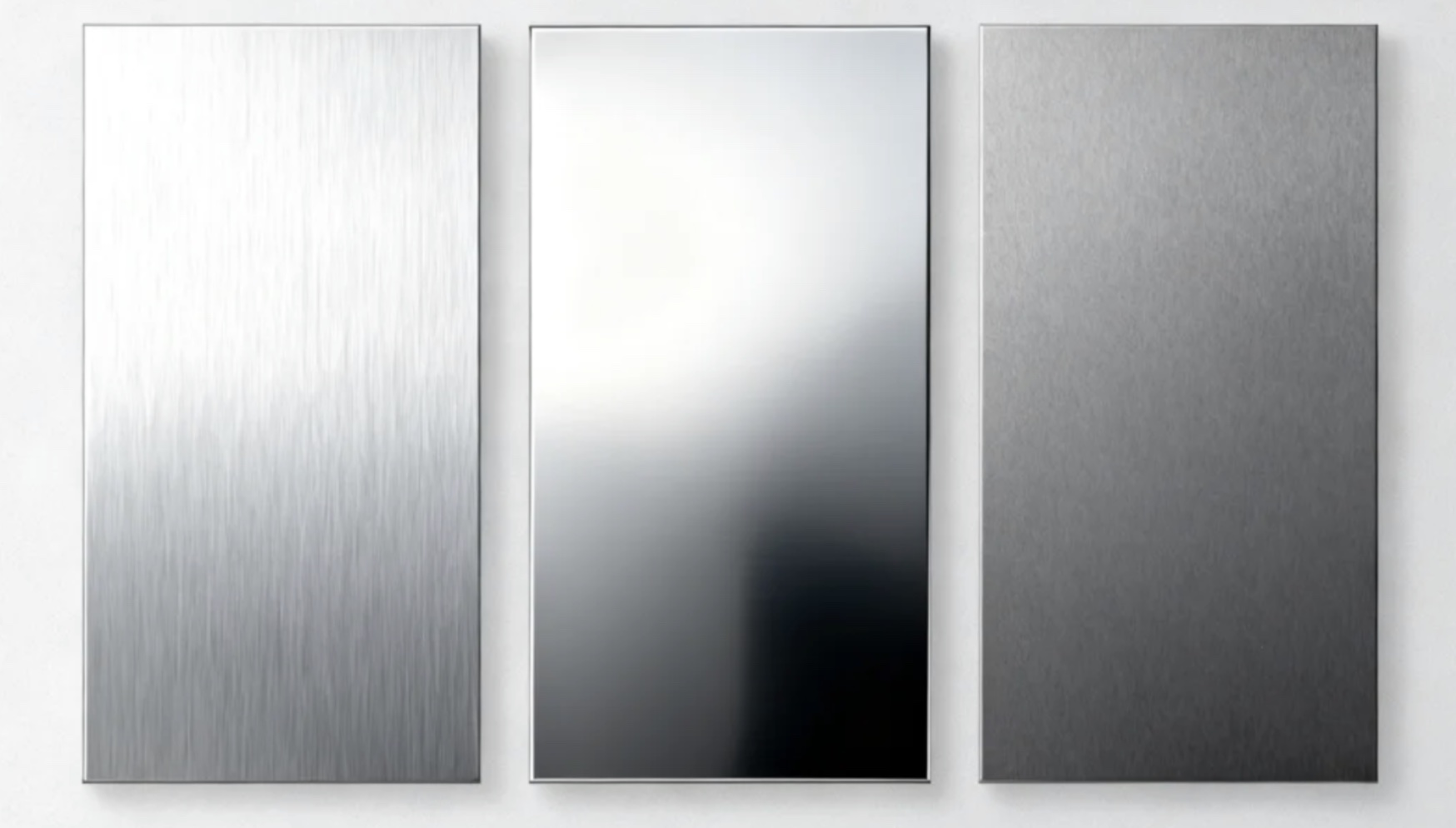
CNC Machining Difficulties of Aluminum Alloy
The mainstream material of lightweight parts is widely used in robot components, unmanned aerial vehicle parts and semiconductor equipment parts, with excellent cutting performance and light weight.
l Short board: Thin-walled structures are prone to stress and deformation.
l Technological idea: vacuum sucker is used to balance the clamping pressure and cut in layers; After roughing to remove 80% allowance, let it stand for 24 hours to release internal stress, and then carry out semi-finishing and finishing.
l Practical reference: the flatness of the finished product can be stably controlled at 0.005mm for the semiconductor aluminum alloy cavity with a wall thickness of 0.8 mm.
CNC Machining Difficulties of Stainless Steel
Stainless steel is suitable for parts that need corrosion resistance and high structural rigidity, and commonly used brands are 304 and 316. It is widely used in medical devices, precision electronics and photoelectric communication parts.
Short board: poor thermal conductivity, easy to produce work hardening, easy to form chip accumulation tumor during cutting, causing size drift.
Technological thinking: choose high spiral unequal tooth milling cutter and adopt layered forward milling process to alleviate the problem of thin-walled parts giving way; With high-pressure internal cooling system, cutting heat can be quickly taken away, surface quality can be improved, and dimensional accuracy can be stabilized.
CNC Machining Difficulties of Titanium Alloy
High specific strength, good corrosion resistance and excellent biocompatibility are widely used in aerospace and medical industries.
Machining pain point: the temperature in the cutting area can exceed 1000℃, and the tool wears quickly, so it is difficult to maintain stable tolerance for a long time.
Process idea: dynamic milling with high pressure cooling and dimension reverse compensation technology can prolong the service life of the tool and realize 0.005mm Precision Machining stably.
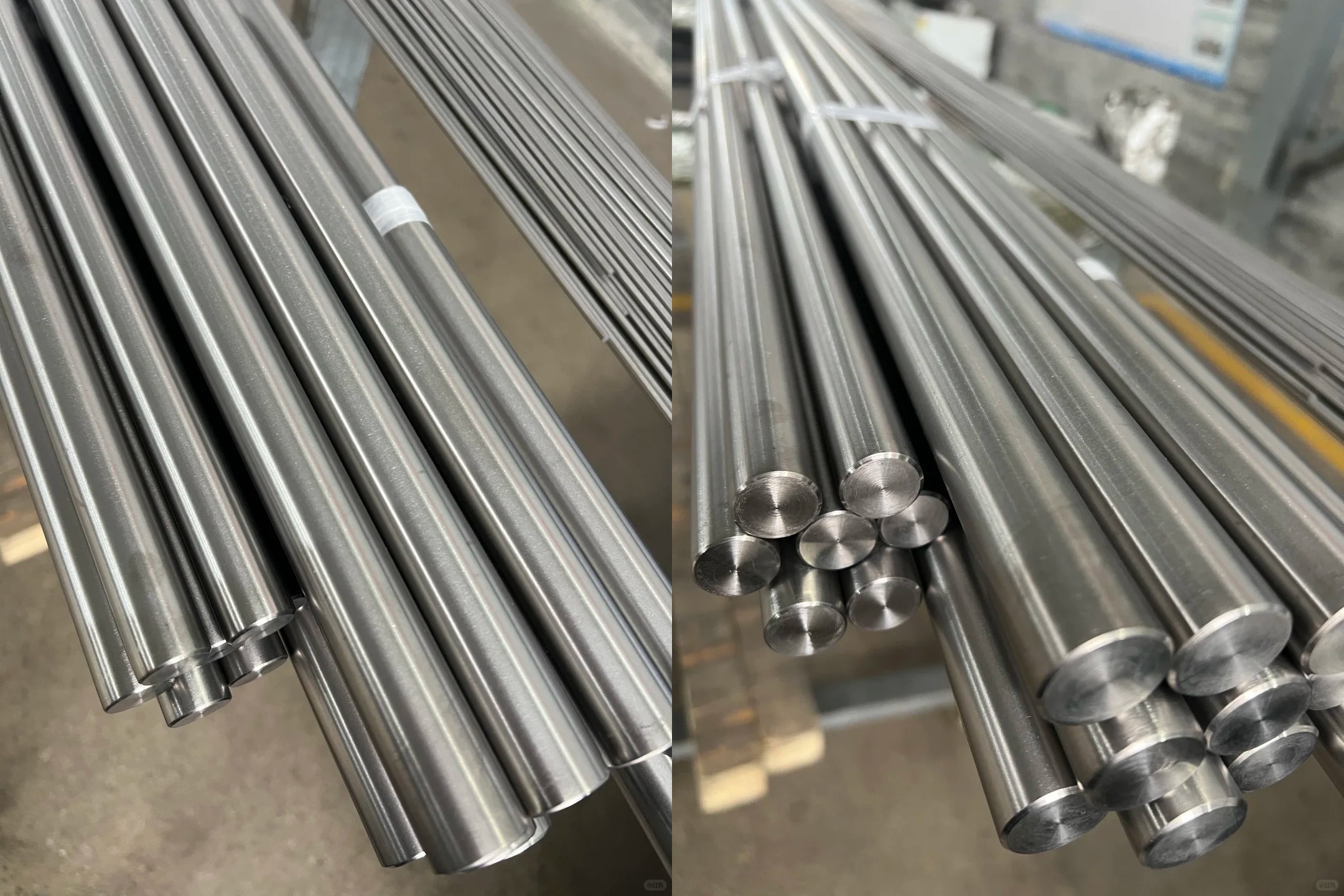
3 Golden Rules for CNC Metal Material Selection (Avoid Costly Pitfalls)
The vast majority of CNC materials overturned, not because they didn't understand the material parameters, but because they were over-selected, ignored the processing difficulty and the scene didn't match.
The following three golden rules will help you avoid the pit perfectly.
According to application scenarios: lightweight aluminum alloy (6061/7075), corrosion-resistant stainless steel (304/316) and high-strength titanium alloy (TC4);
According to processing difficulty: novice chooses 6061 aluminum alloy, advanced challenge →7075 aluminum alloy and titanium alloy.
According to the cost budget: 6061 aluminum alloy is selected for low cost, and 7075 aluminum alloy, titanium alloy and 316 stainless steel are selected for high budget.
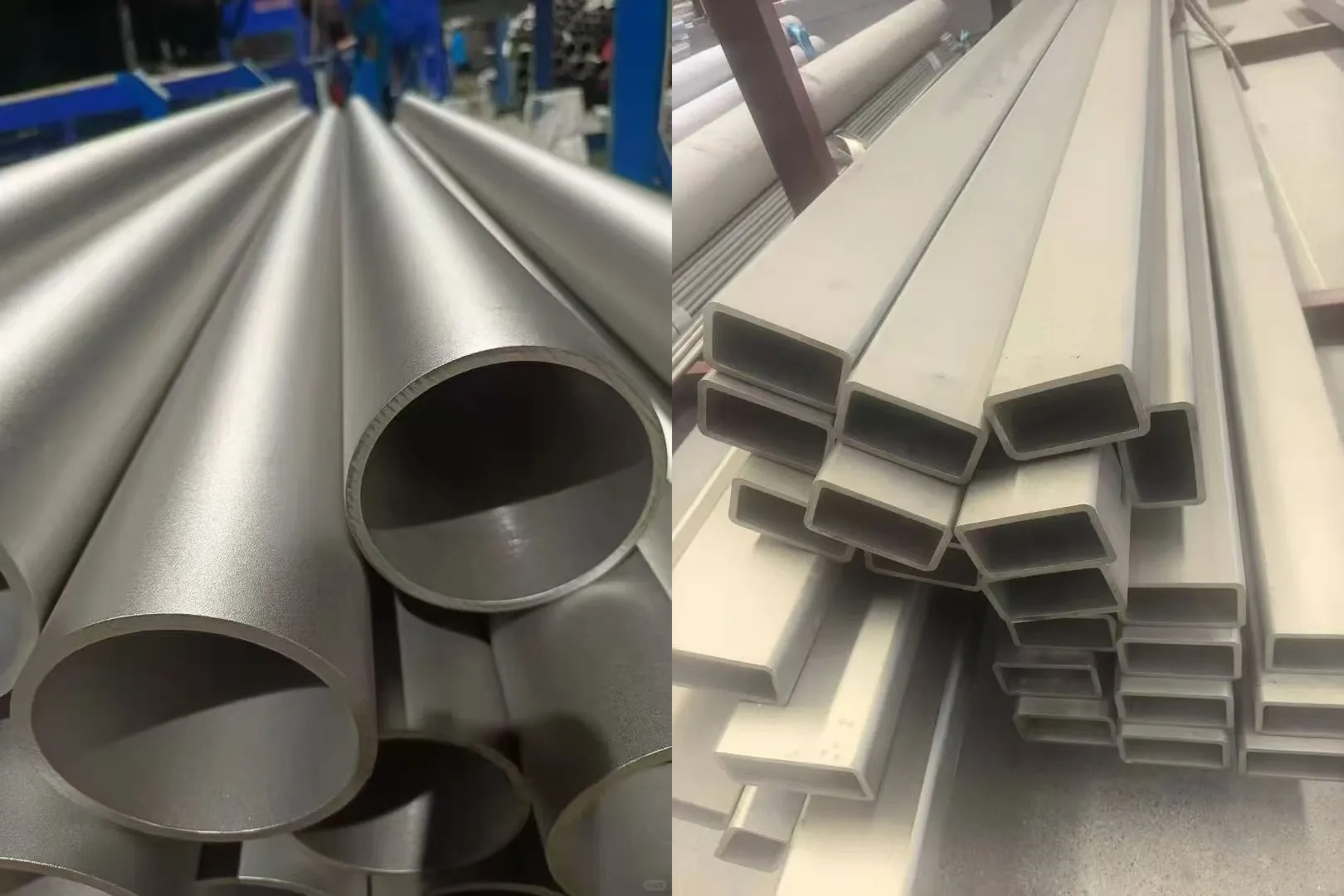
FAQs About CNC Metal Material Selection
Q1: Which metal is the easiest to machine in CNC?
A1: Aluminum alloy is the easiest CNC machining metal, featuring low hardness, fast cutting speed, low tool wear and smooth surface finish.
Q2: What is the hardest CNC metal material?
A2: Titanium alloy has the highest machining difficulty, with high hardness, poor heat dissipation and strict cutting parameter requirements.
Q3: When to choose stainless steel for CNC parts?
A3: Choose stainless steel for parts requiring corrosion resistance, high rigidity and long service life.
Q4: Will material choice affect CNC part lead‑time?
A4: Yes. Difficult‑to‑cut materials such as titanium alloy require slower cutting speed and more frequent tool replacement, which will extend production time.
If you are doing structural design of parts, struggling with material selection or encountering precision machining problems, you can evaluate the feasibility of material processing with drawings and optimize the processing technology.
If you need to customize metal CNC parts, you can send drawings for professional material selection suggestions and accurate quotations.






 Phone
Phone
Comment
(0)