With the development of intelligent manufacturing and the acceleration of product iteration speed, small-scale CNC machining is becoming increasingly popular.
Small batch CNC machining refers to the process of producing a small number of parts using computer-controlled machine tools. Unlike large-scale CNC machining used for mass production, small batch CNC machining is suitable for smaller batches of parts, typically less than 1000.
Small batch CNC machining is commonly used for prototype design, customized parts, and small-scale production. For small businesses and startups that do not require a large number of parts, this is an economically efficient manufacturing method. Small batch CNC machining is commonly used in industries such as aerospace, automotive, medical, and electronics.
Core Advantages of Small Batch CNC Machining
Cost effectiveness:
For small businesses and startups that do not require a large number of parts, small batch CNC machining is an economically efficient manufacturing method. The lower setup and tool costs make it a viable option for producing small batch parts.
Flexibility:
Small batch CNC machining is highly flexible and can be customized and quickly adjusted in design. This flexibility makes it an ideal choice for prototyping and small batch production.
Precision:
CNC machine tools have high precision and can produce parts with strict tolerances and complex geometric shapes. This precision makes small-scale CNC machining very suitable for processing parts that require high precision and quality.
Speed:
CNC machining is a fast process that can quickly produce parts, thereby shortening delivery time and speeding up production time.
Consistency:
The products produced by CNC machine tools have consistency, ensuring that each part produced is exactly the same as the previous one. For parts that require high quality and precision, this consistency is crucial.
Wide range of materials:
Small batch CNC machining can handle various materials, including metals, plastics, composite materials, and so on. This versatility makes it suitable for various applications and industries.
Reduce waste:
CNC machining generates the least amount of waste and is a more environmentally friendly manufacturing method compared to other methods such as injection molding or casting.
Overall, small batch CNC machining is an efficient and economical manufacturing method that can produce high-quality and precise parts in small batches.
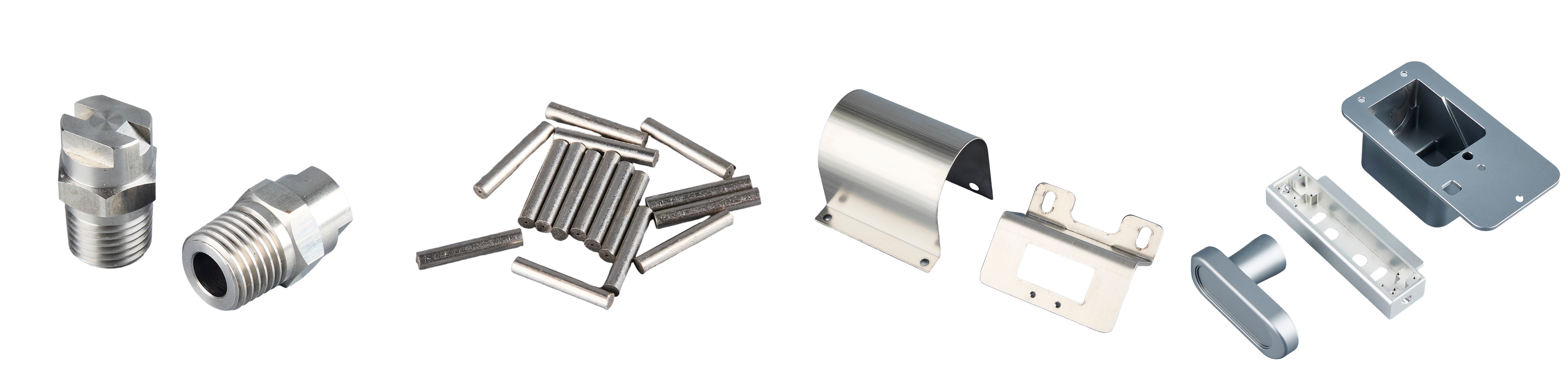
Suitable Materials for Small Batch CNC Machining
Small batch CNC machining can handle a variety of materials, including:
Metals: such as aluminum, brass, copper, steel, titanium, and various alloys.
Plastic: such as ABS, acrylic, polycarbonate, polypropylene, PVC, etc.
Composite materials: such as carbon fiber, glass fiber, Kevlar fiber.
Wood: such as hardwood and cork.
Foam plastics: such as polyurethane, polystyrene, etc.
Ceramics: such as alumina, zirconia, etc.
Others: such as glass, stone, rubber, etc.
Main Limitations of Small Batch CNC Processing
Although small-scale CNC machining has many advantages, there are also some limitations. Some limitations of small-scale CNC machining include:
Cost:
Although small batch CNC machining has lower costs for small batch parts, the cost may be higher for large-scale production. For mass production, other manufacturing methods such as injection molding or casting may be more cost-effective.
Complexity:
Although CNC machines can produce parts with complex geometric shapes, the ability of CNC machining is limited. Some complex parts may require additional processing steps, which can increase costs and delivery cycles.
Size limitation:
The size of the parts that can be produced is limited by the size of the CNC machine tool. Large parts may require larger machine tools or different manufacturing methods.
Material limitations:
Although CNC machines can process a variety of materials, the types of materials that can be processed may be limited, such as materials that are too hard or too brittle.
Design limitations:
The design of parts can also affect the feasibility of CNC machining. Parts with extremely thin walls, deep cavities, or complex internal structures may be difficult to process, or even impossible to process.
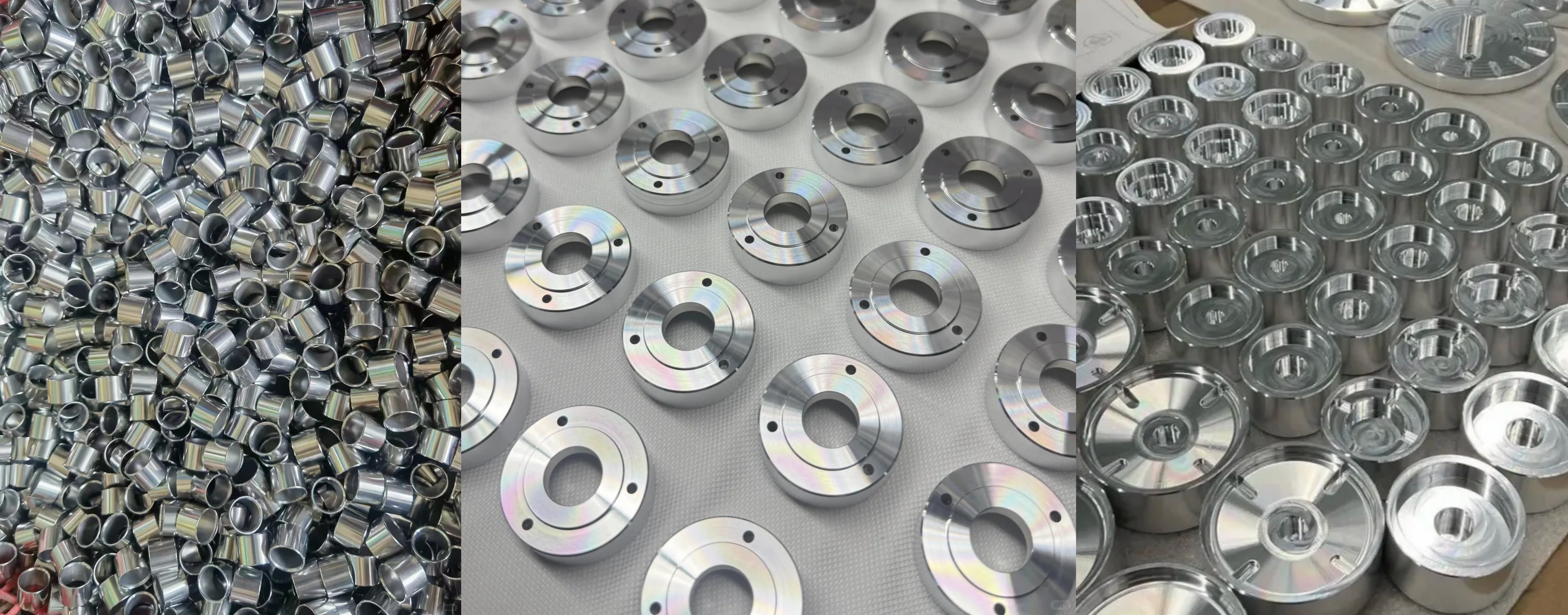
FAQs About Small Batch CNC Machining
Q1: What are the main advantages of small batch CNC machining?
A1: Small batch CNC machining features low mold cost, fast delivery, high flexibility, support for custom modifications and perfect for prototype verification and trial production.
Q2: What materials are suitable for small batch CNC machining?
A2: It supports common metals like aluminum, stainless steel, copper, titanium, and engineering plastics including ABS, POM, PC, nylon.
Q3: What are the limitations of small batch CNC machining?
A3: Unit cost is higher than mass production, low Production Efficiency for large orders, not suitable for ultra-large-scale standardized parts manufacturing.
Q4: When to choose small batch CNC machining?
A4: It is ideal for product prototyping, trial production, customized parts, equipment spare parts and low-volume industrial components.
Choose a small batch CNC machining service provider
Before choosing a small batch CNC service provider, we recommend considering all of the following factors:
Quality assurance:
Quality can be evaluated through multiple standards. One method is to review their previous project evaluations and case studies. Another method is to check the accuracy and tolerance level they claim to provide. You can also request sample parts to verify if their work meets your specifications.
Delivery time:
Request delivery time from the supplier and ensure it matches your project schedule. Suggest requesting quotes from multiple service providers, comparing their schedules, and then determining which one suits your schedule.
Pricing:
Request cost estimates for different batch sizes to understand how prices vary with quantity. Check if the cost per unit decreases when the order quantity increases. Compare quotes from different suppliers to gain a clear understanding of market prices.
Certification and Industry Standards:
Ensure that providers comply with relevant industry certifications and standards. For example, ISO 9001 ensures quality management processes, while ISO 14001 focuses on environmental management systems.
Whether it's small-scale or large-scale production, you can rely on Konsdun to meet all your CNC machining needs. We support sample making and large-scale OEM production from 1 piece to 10000 pieces. Send CAD drawings and technical requirements, and we will provide professional process solutions and accurate quotations within 24 hours.






 Phone
Phone
Comment
(0)