


Plastic Equipment Enclosure
A plastic equipment enclosure is a protective housing designed to safeguard electrical, electronic, or mechanical components from external damage, environmental exposure, and unauthorized contact. It is widely used in industrial automation, telecommunications, medical devices, consumer electronics, and outdoor systems. Made from high-quality engineering plastics, the enclosure offers a practical combination of durability, lightweight construction, insulation, and design flexibility.One of the main advantages of a plastic equipment enclosure is its excellent resistance to corrosion. Unlike metal housings, plastic enclosures do not rust or oxidize easily, making them suitable for humid environments, coastal areas, or applications where exposure to chemicals is possible. This corrosion resistance helps extend the service life of the protected equipment and reduces maintenance requirements over time.Another important feature is electrical insulation. Plastic materials naturally provide non-conductive protection, which helps reduce the risk of electric shock and short circuits. This makes plastic enclosures especially valuable for devices containing power supplies, control boards, terminals, and other sensitive electrical components. In many cases, the enclosure also supports flame-retardant materials to improve safety in demanding applications.Plastic equipment enclosures are also valued for their lightweight nature. Compared with metal enclosures, they are easier to transport, install, and handle. This can lower shipping costs and simplify assembly, especially in large-scale projects or portable equipment. Despite being lightweight, many engineering plastics provide strong impact resistance and structural stability, allowing the enclosure to withstand vibration, pressure, and daily wear.Design flexibility is another major benefit. Plastic enclosures can be molded into a wide range of shapes, sizes, and configurations to meet specific technical requirements. Features such as cable entry points, mounting bosses, ventilation slots, transparent covers, and gasket grooves can be integrated directly into the design. This allows engineers to create solutions that are both functional and aesthetically pleasing. Surface finishes can also be customized, including matte, glossy, textured, or color-coded appearances.In outdoor or harsh environments, a plastic equipment enclosure may be designed with dustproof and waterproof protection levels. Proper sealing helps prevent moisture, dirt, and debris from entering the housing and damaging internal components. This is especially important for control boxes, sensors, communication devices, and monitoring systems used in industrial or outdoor installations.Overall, a plastic equipment enclosure is a versatile and reliable protective solution. It combines durability, insulation, corrosion resistance, and design adaptability in a cost-effective form. Whether used for industrial control, electronic protection, or outdoor equipment, it provides dependable housing that helps ensure safe operation and long-term performance.
Products
Category:
-
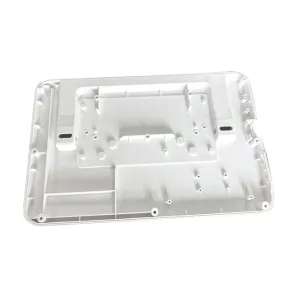
Integrated Injection Molded Equipment Base Housing
Category: Injection-Molded PartsBrowse number: 50Number:Release time: 2026-06-17 16:49:56As modern equipment becomes increasingly compact and multifunctional, enclosure components play a critical role in protecting internal assemblies while maintaining product appearance and operational reliability. A well-designed base housing not only supports electronic circuits, sensors, mechanical structures, and communication modules but also contributes to overall product strength, installation efficiency, and long-term durability.
News
Category:
No search results found!
Case
Category:
No search results found!
Video
Category:
No search results found!
Download
Category:
No search results found!
Job
Category:
No search results found!
Featured Products
No search results found!




 Phone
Phone